Red Bricks on 7th Street
Mayan Hookah
717 N. 7th Street
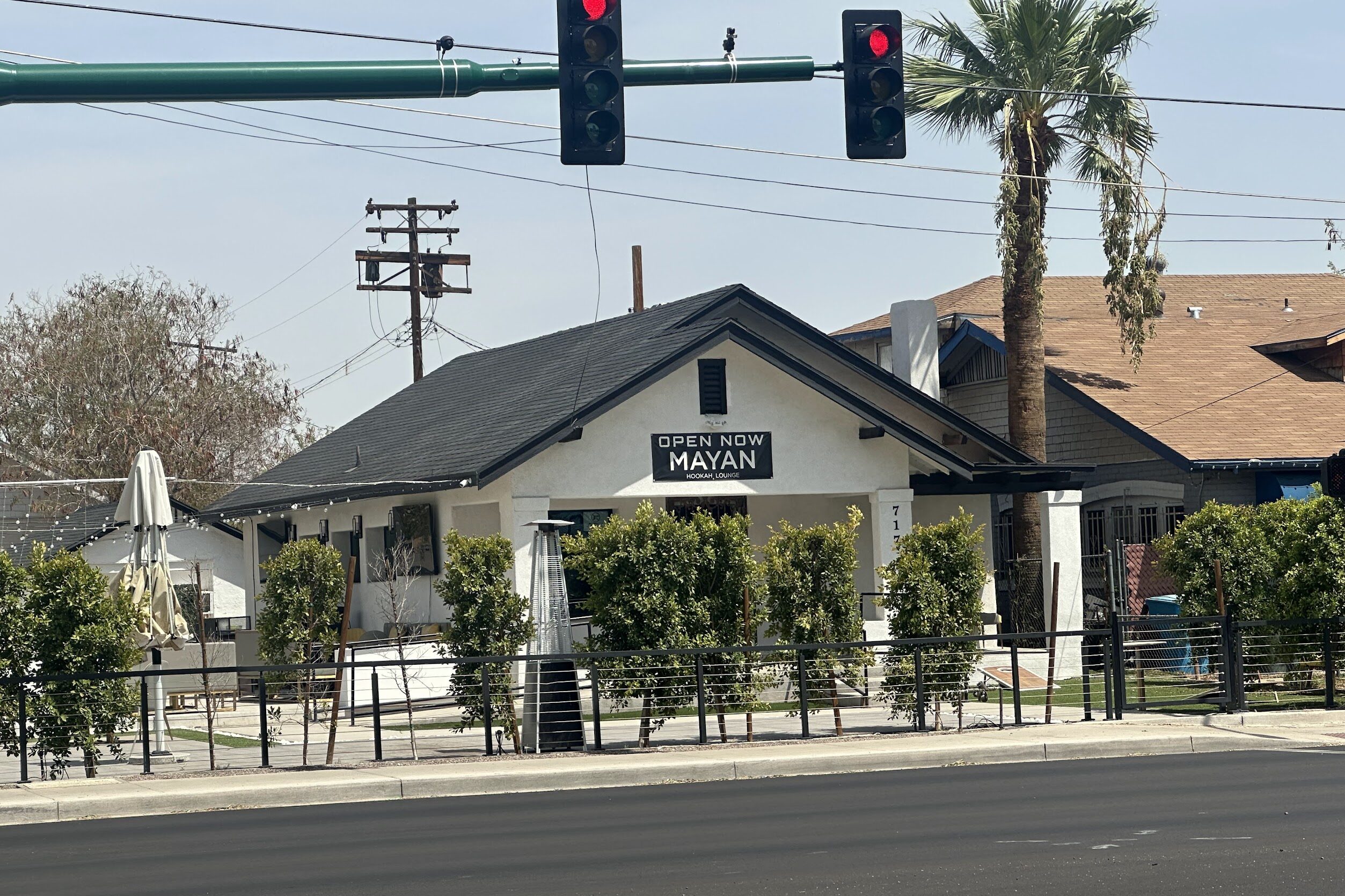
Welcome to our chill haven! It’s where modern comfort meets cozy vibes. Whether you’re unwinding solo or hanging with friends, get ready for the ultimate chill spot. Can’t wait to vibe with you soon!
Luv Bridal
803 N. 7th Street
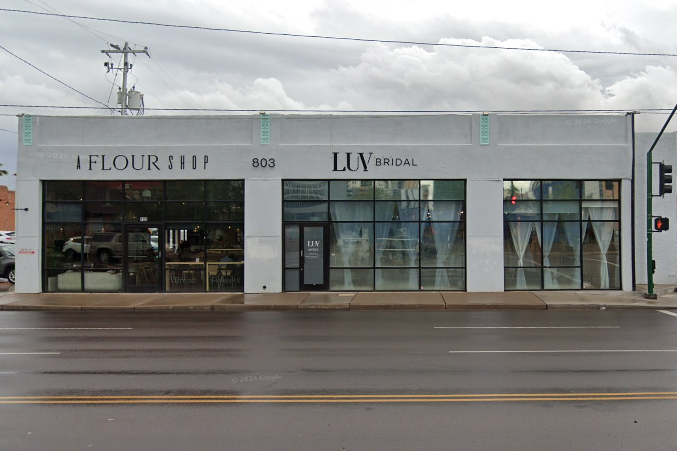
From the moment you walk into LUV Bridal, we aim to give you and your loved ones the experience of a lifetime. With one-on-one friendly and passionate service, chic and fresh Showrooms, and multiple sizes of inclusive samples for a near-perfect fit, you will be sure to have a stress-free, exciting, and bride-focused day.
A Bake Shop
803 N. 7th Street
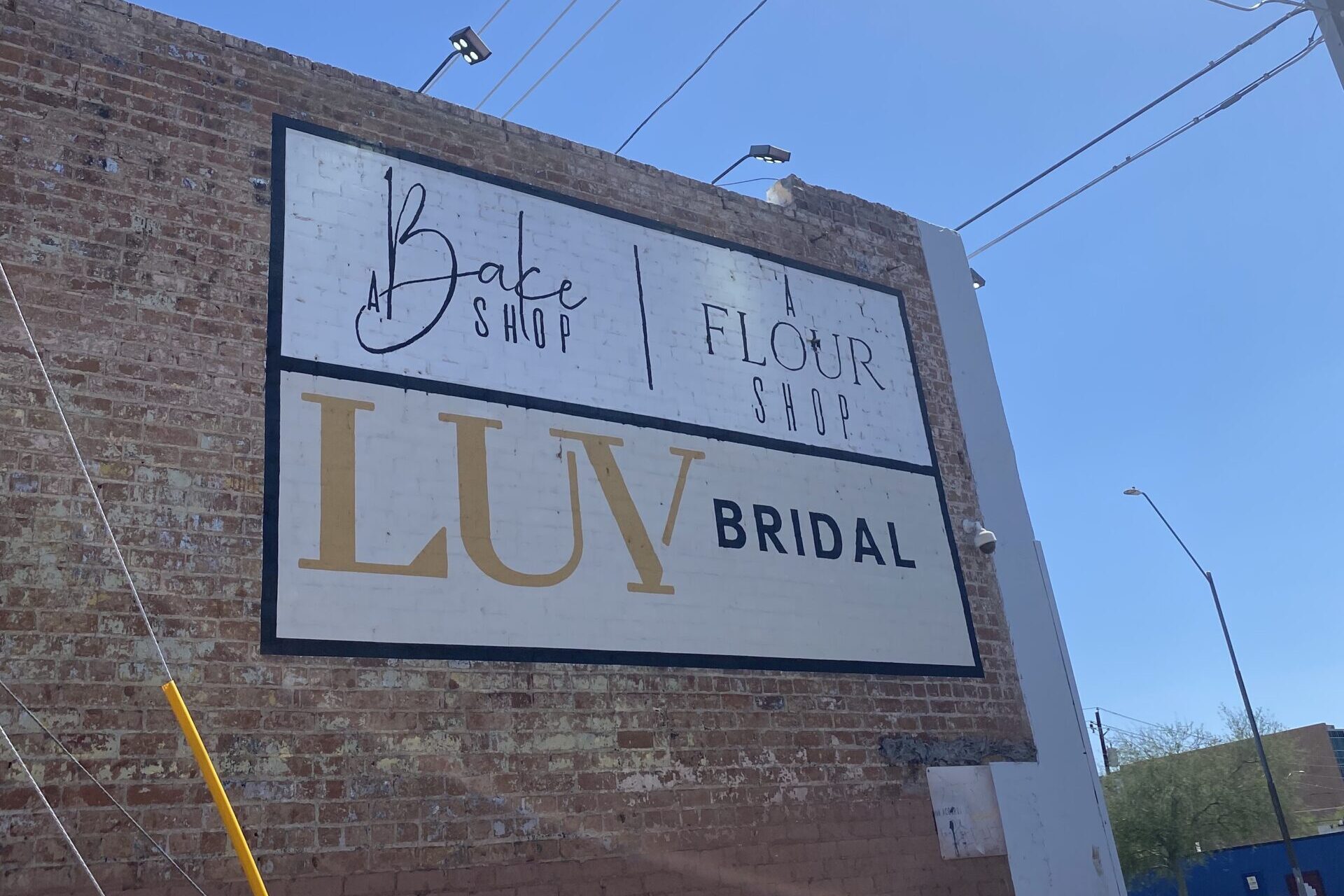
A Bakeshop began in 2014 as a passion project by founder Andrea Tuck, inspired by a deep-rooted family tradition. Andrea comes from a long line of Italian women who owned and ran restaurants — a legacy of hospitality, food made from scratch, and creating space for celebration.
Taco Calafia
825 N. 7th Street
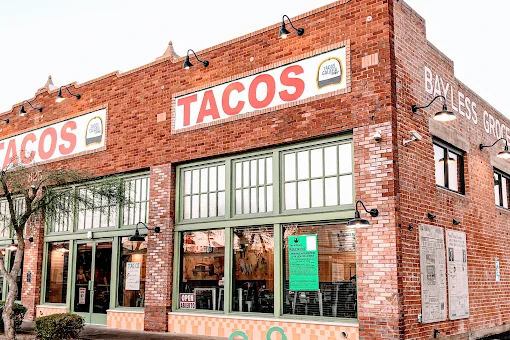
Calafia is a nickname for the microbuses found on the streets of Tijuana, Mexico, the same streets where family vendors serve the delicious tacos that are our inspiration. And if you go to a taqueria in Tijuana you won’t find enchiladas and posole, only delicious, handmade tacos.
BiohAK IV Bar
825 N. 7th Street
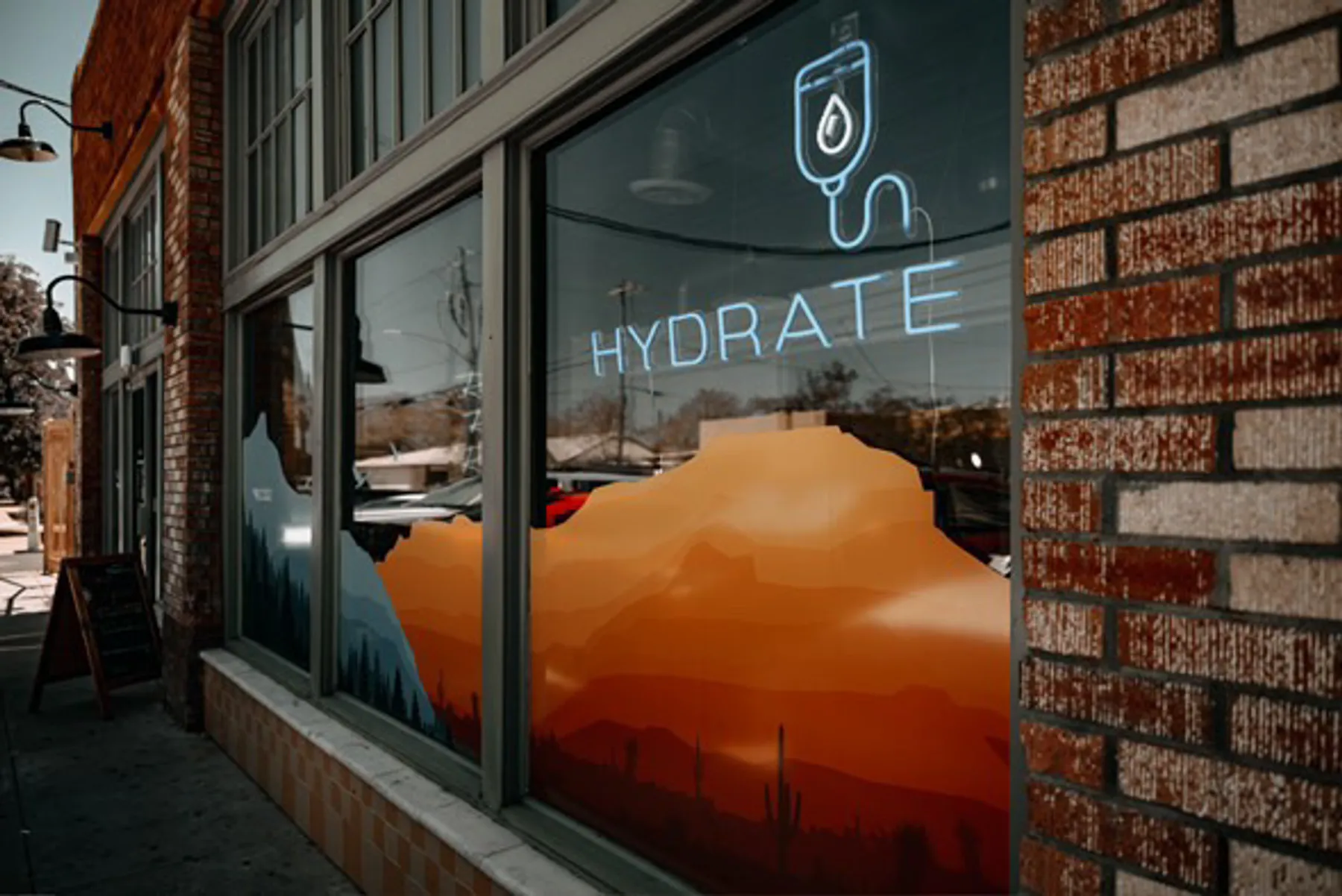
BiohAK is the premier health and wellness clinic, offering hydration, wellness, vitamin infusion therapy services, and more. We partner with patients to help them find their happiest and healthiest selves.
CHeBA HUT
825 N. 7th Street
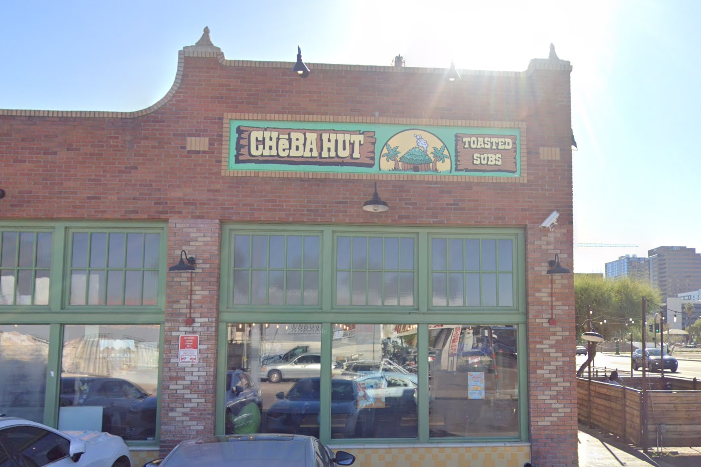
Cheba Hut “Toasted” Subs of Downtown PHX 🔥☀️A feast spot for all sun spotted heathens, nerds, musicians, collectors and all weirdos of all types skunky!
J.B. Bayless Store No. 7
825 North 7th Street – Phoenix, Arizona
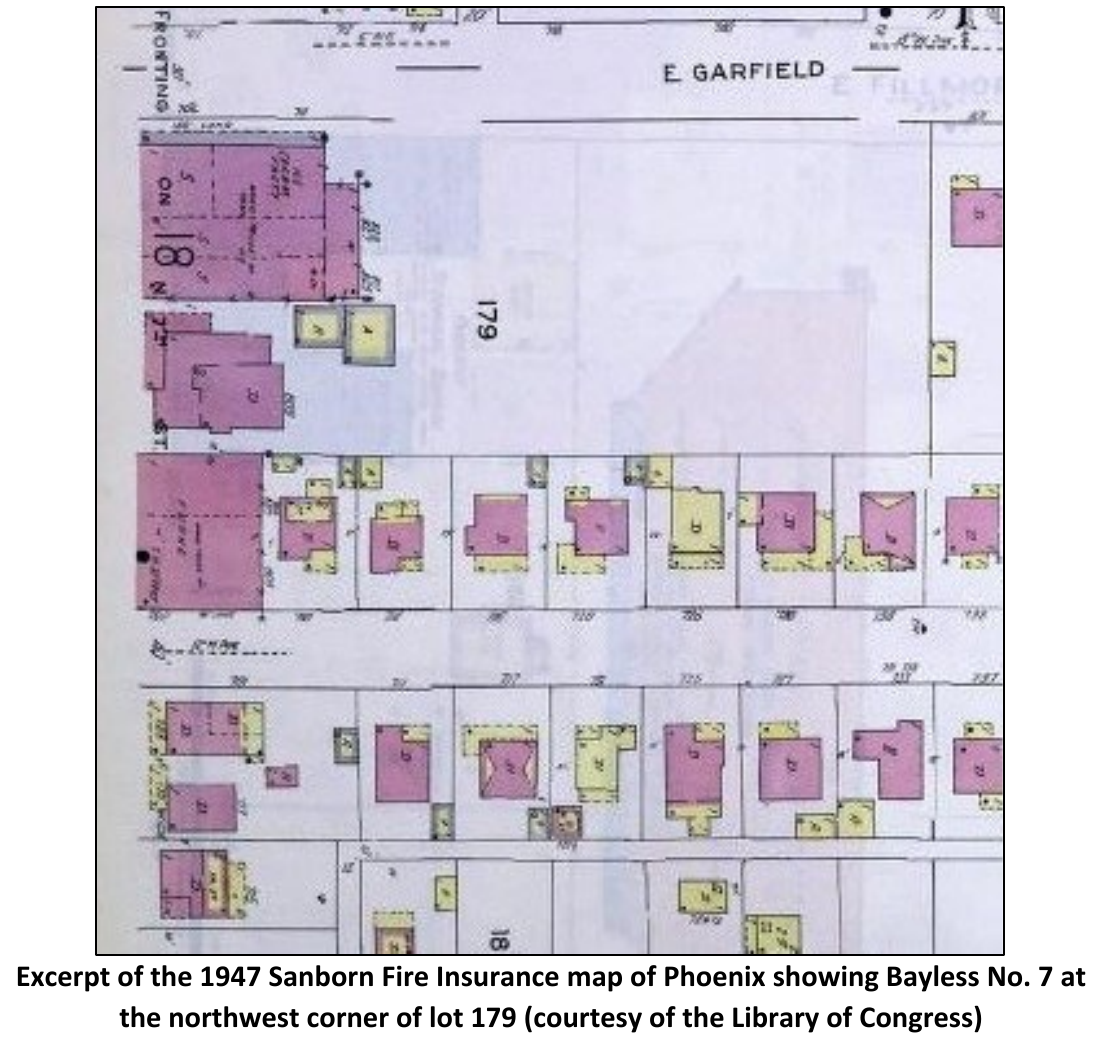
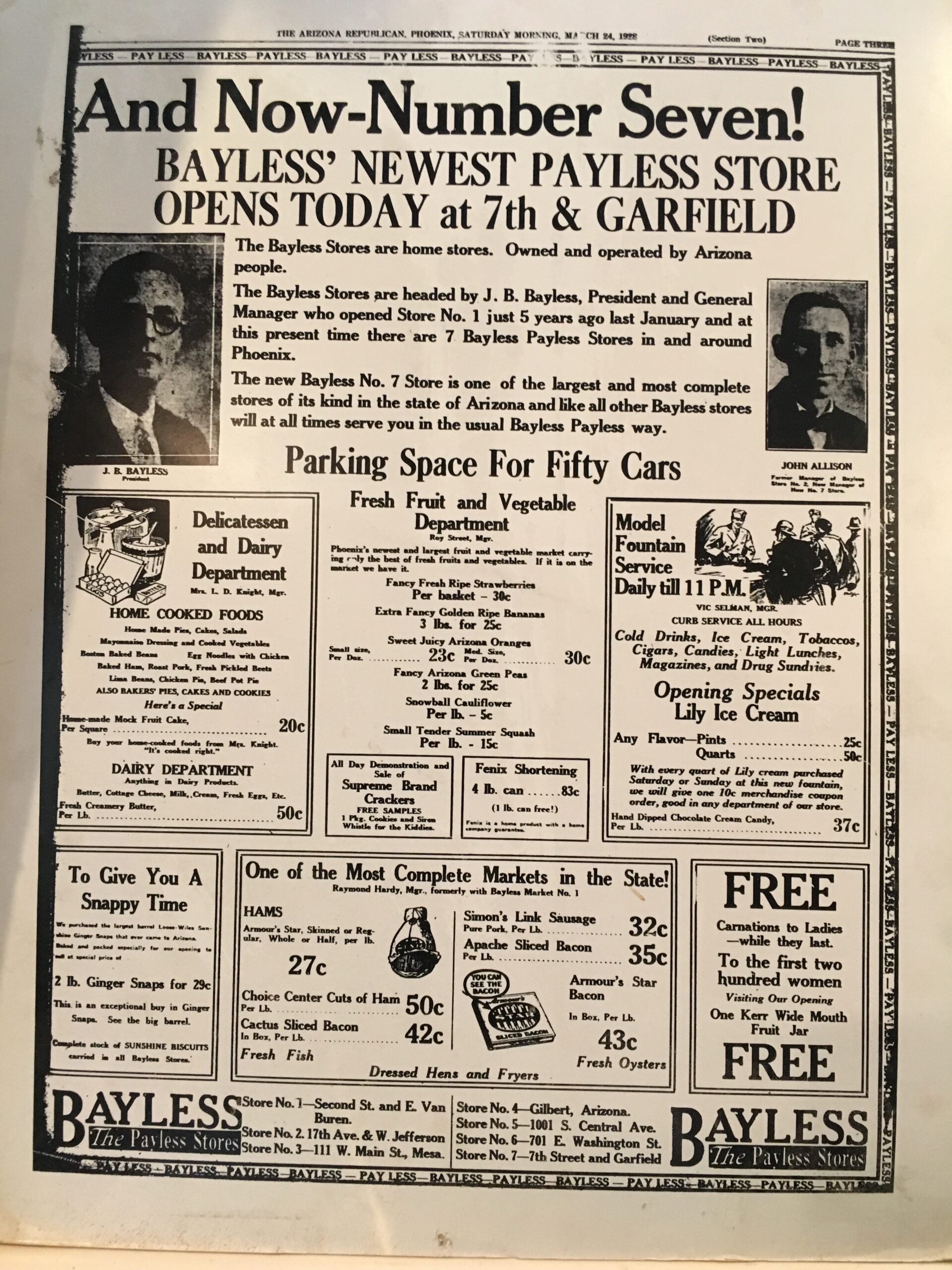
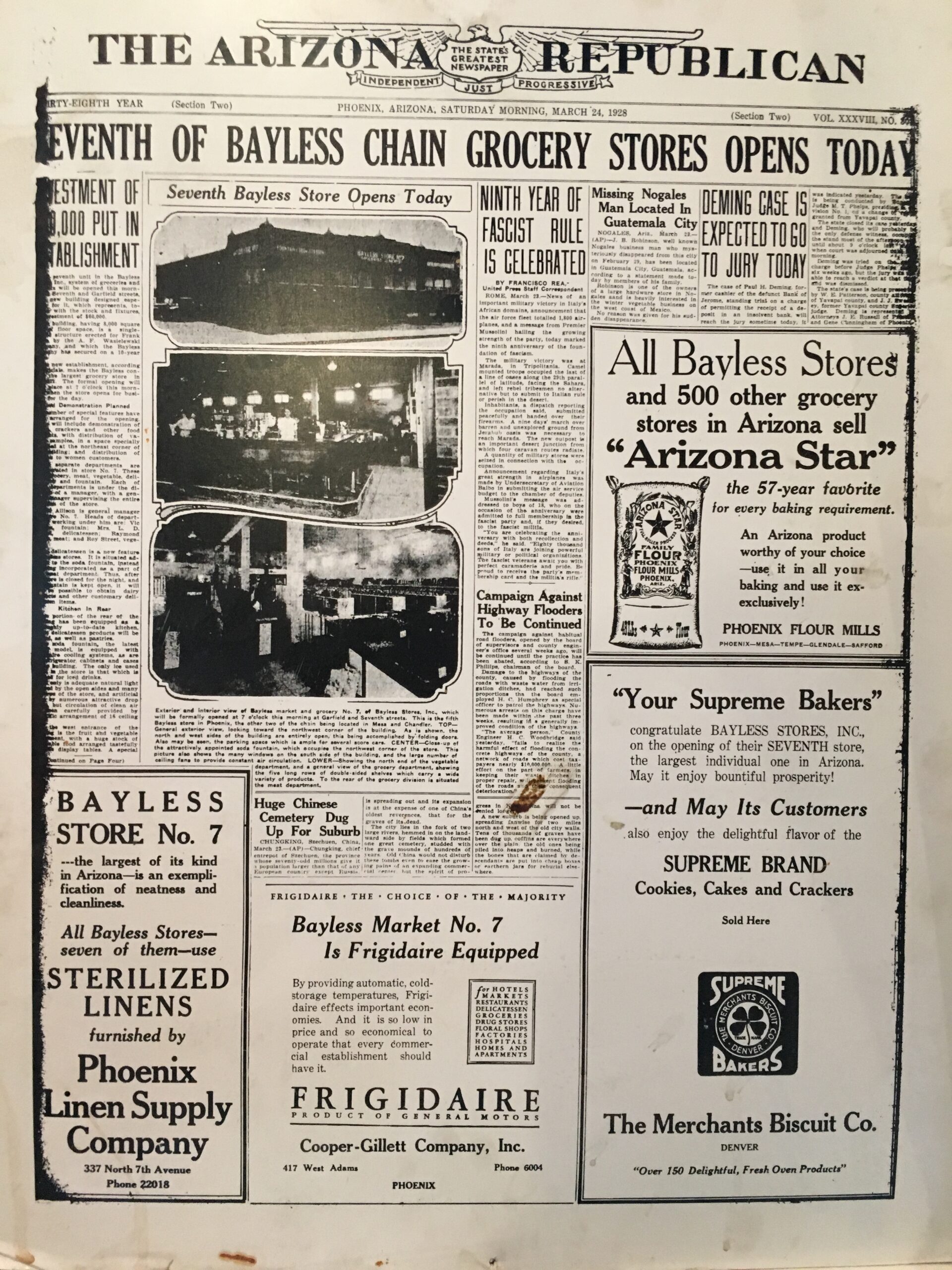
The building located at 825 North 7th Street in Phoenix is historically known as J.B. Bayless Store No. 7, one of the most prominent grocery stores in early Phoenix. Opened on March 24, 1928, the store was part of the rapidly expanding Bayless grocery chain founded by entrepreneur John Brisbane Bayless.
The building sits at the southeast corner of 7th Street and East Garfield Street within the Garfield Historic District, an area known for its early twentieth-century commercial and residential architecture. Today, the building remains an important example of Phoenix’s early grocery store architecture and continues to serve as a commercial storefront nearly a century after its construction.
Construction and Design
Bayless Store No. 7 was designed and constructed by the A.F. Wasielewski Company as a one-story commercial building featuring reddish-orange wire-cut brick walls with lighter decorative brick accents. Architectural elements included decorative brick patterns along the parapet and sign panels, as well as brick pilasters topped with concrete finials.
Large storefront display windows lined the north and west sides of the building, creating an open and inviting retail environment. Originally, large folding doors along the west side could be opened to allow natural light and ventilation into the store, a design feature that was innovative for grocery stores at the time.
At approximately 8,000 square feet, the building was the largest grocery store in Phoenix when it opened. It also featured a parking lot capable of accommodating 50 automobiles, an important feature during the growing era of automobile travel.
The Grand Opening in 1928
The grand opening of Bayless Store No. 7 was a major event in Phoenix. Customers were drawn to the store with promotional giveaways and special offers. The first 200 women to arrive received a free Kerr wide-mouth jar, while visitors were treated to free food samples, a quarter-pound bag of Maxwell House tea, and carnations for the ladies.
The store followed the modern “self-service” grocery concept, allowing customers to select items themselves rather than relying on clerks to retrieve goods. Departments within the store included:
-
Grocery
-
Meat
-
Dairy
-
Produce
-
Delicatessen
-
Soda fountain and lunch counter
The soda fountain remained open until 11:00 p.m., making the store both a shopping destination and a community gathering place. The building also featured modern refrigeration systems, helping eliminate the need for traditional iceboxes.
The Bayless Grocery Legacy
The Bayless grocery legacy continued through John Bayless’s son, Arthur Joseph (A.J.) Bayless, who opened his own store in 1930 at just 21 years old. A.J. embraced the emerging supermarket model, focusing on high volume and low prices to attract customers.
The company expanded rapidly in the decades that followed. By the 1950s and early 1960s, A.J. Bayless Markets had grown into the largest grocery chain in Arizona, operating dozens of stores and introducing new retail innovations such as:
-
Fresh-cut meat wrapped in cellophane
-
In-store bakeries
-
Exclusive product labels
-
Mini-bank services inside stores
-
Background music throughout stores
In 1957, the company became publicly traded, and by 1962 it operated 45 stores across Arizona
Later History of the Building
Although the Bayless grocery chain eventually changed ownership, the building at 825 North 7th Street continued to serve as a commercial space for many decades.
Various businesses have occupied the building over the years, including:
-
Pay’n Takit supermarket (1930s)
-
Upton’s Ice Cream Company (1940s)
-
Al’s Used Furniture and Appliance Store
-
Jack Austin’s ABC Theatricals costume shop (1975–1991)
These changing tenants illustrate the building’s long-standing role as a retail hub within the neighborhood.
Historic Recognition
In 1985, Bayless Store No. 7 was listed on the National Register of Historic Places as part of the Phoenix Commercial Multiple Resource Area. The building was recognized as the best-preserved example of the J.B. Bayless grocery chain buildings in Phoenix.
Today, the historic structure houses modern businesses including Cheba Hut and Tacos Calafia Downtown, which continue the building’s nearly century-long tradition of serving the community.
The building’s exposed rafters, high ceilings, and original architectural features remain visible, allowing visitors to experience a piece of Phoenix’s commercial history.