67 Main Street — Historic Main Street Commercial Building
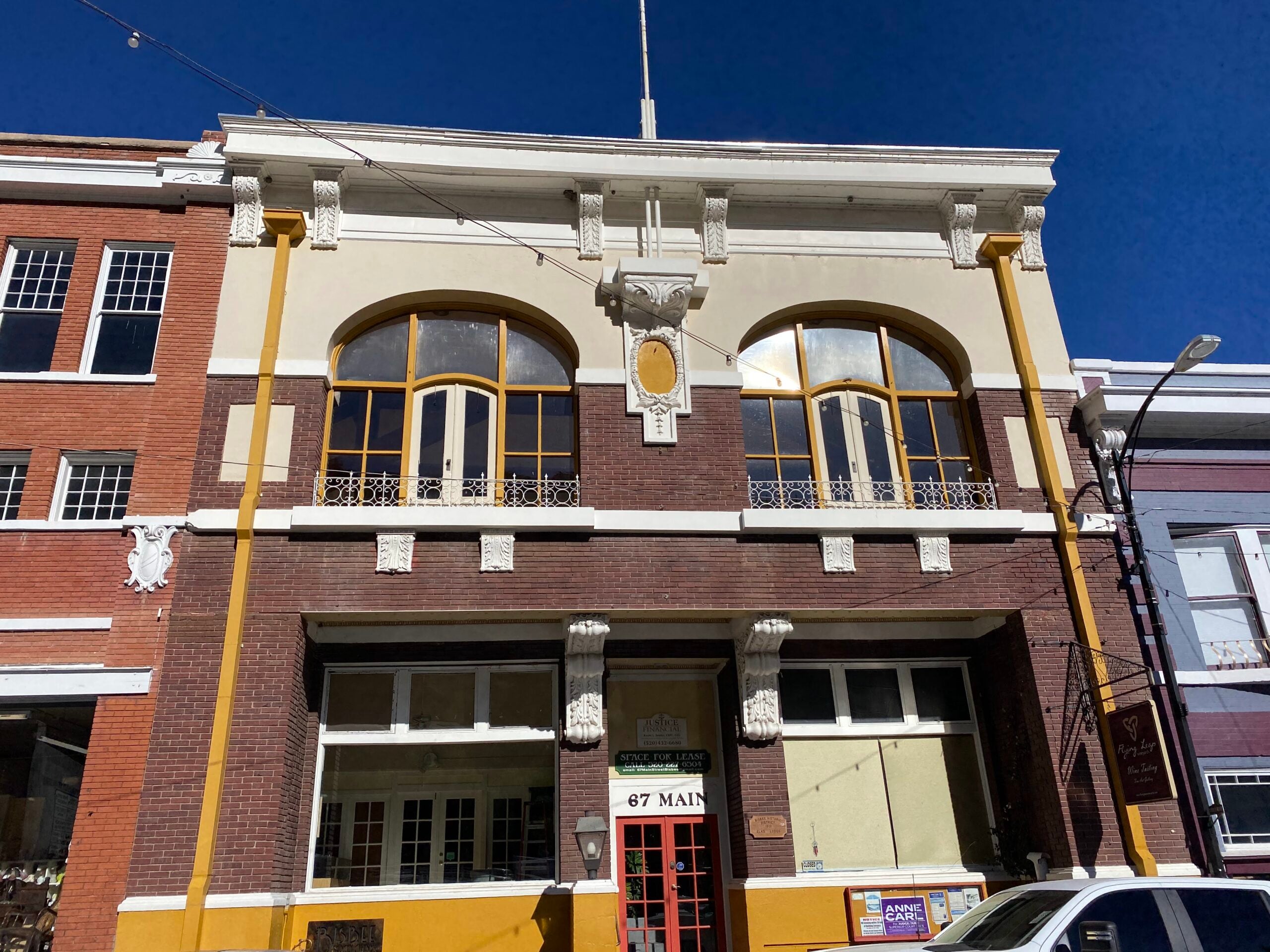
67 Main St, Bisbee AZ
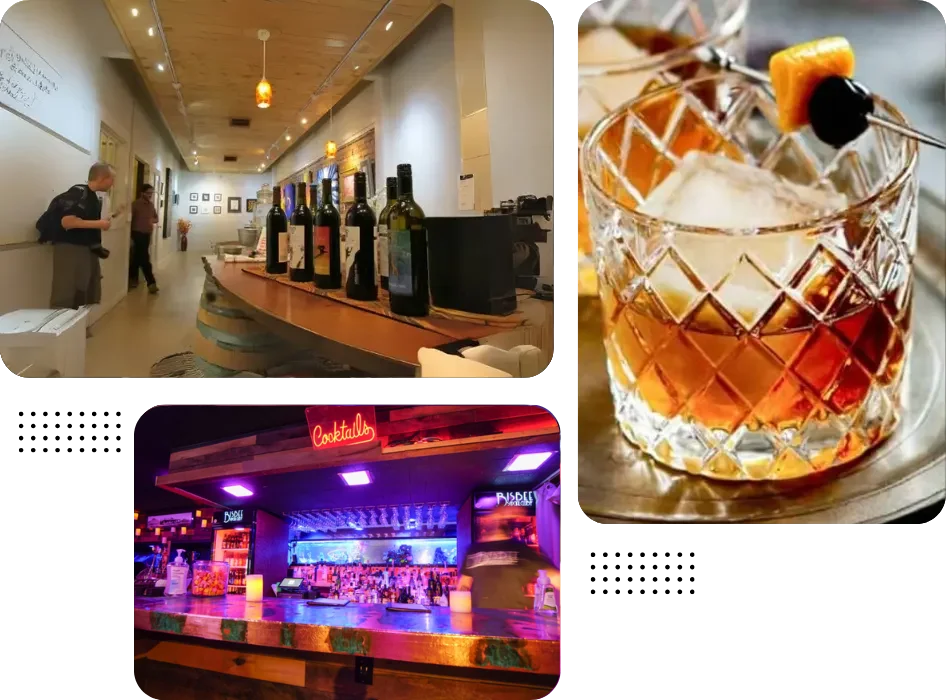
Bisbee Social Club
67 Main Street — Historic Main Street Commercial Building
Located in the heart of Old Bisbee’s vibrant commercial district, 67 Main Street is a distinctive historic property that blends heritage character with active retail and service use. This iconic brick building contributes to the fabric of Main Street and supports a mix of storefront experiences that draw both locals and visitors alike.
Property Overview
-
Historic commercial building situated on Main Street in downtown Bisbee — part of the town’s historic district.
-
Total building area approx. 7,199 sq. ft. across multiple levels, offering versatile space for retail, office, or mixed use.
-
Prime downtown location with strong pedestrian traffic and visibility in one of Bisbee’s busiest commercial corridors.
-
Part of Bisbee’s commercial historic district, reinforcing the area’s architectural continuity and cultural appeal.
Active Uses & Tenant Highlights
-
Hosts ground-floor commercial space, ideal for retail, gallery, service, or office functions.
-
Home to Bisbee Social Club, a popular speakeasy-style cocktail lounge at 67B Main Street — adding nightlife vitality to the property’s tenant mix.
-
Flexible interior space supports a range of business concepts — from boutique storefronts to creative workspaces.
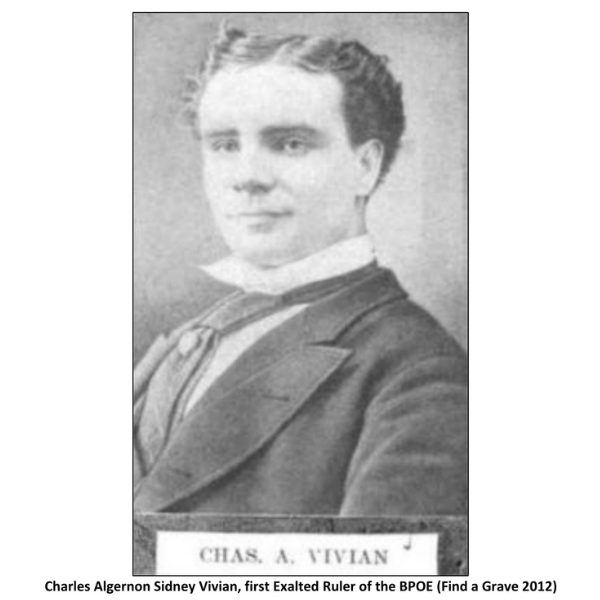
BPOE Elks Lodge No. 671
67 Main Street – Bisbee, Arizona
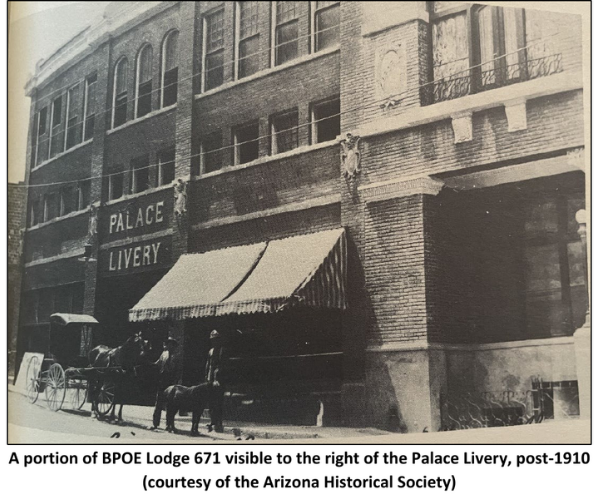
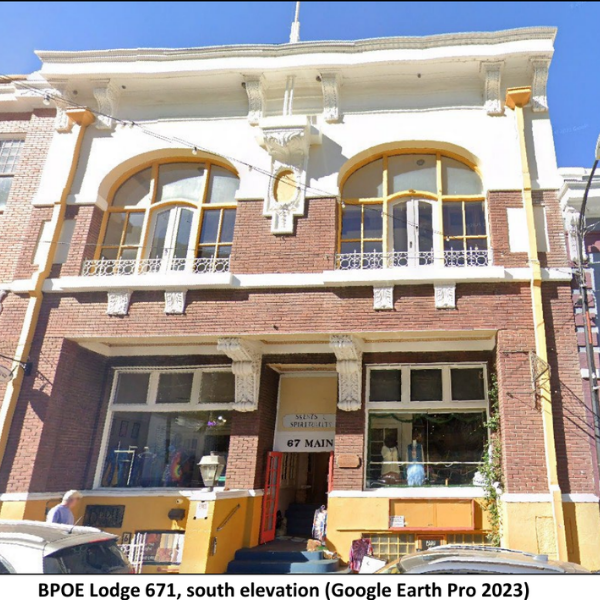
The building located at 67 Main Street in Old Bisbee is historically known as the Benevolent and Protective Order of Elks Lodge No. 671. Constructed in 1910, the structure reflects the prosperity of Bisbee during the height of the copper mining boom and represents the importance of fraternal organizations in early 20th-century community life.
Designed by well-known Bisbee architect Frederick C. Hurst, the building features architectural elements influenced by Neo-Classical Revival and Italianate styles. Today it remains one of the notable historic structures along Main Street and contributes to the character of the Bisbee Historic District.
Early History of the Elks
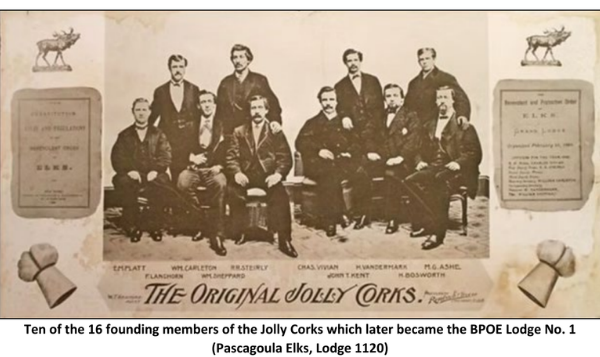
The Benevolent and Protective Order of Elks (BPOE) originated in New York City in 1868, evolving from a small social group known as the “Jolly Corks.” The organization transformed into a charitable fraternal order after the death of a member left his family without financial support. From that moment forward, the group dedicated itself to fellowship, charity, and community support.
As the organization grew across the United States, local lodges began forming in many cities. The Elks established a presence in Bisbee in 1901, when the booming mining town attracted new residents and businesses. Membership expanded quickly, and within just a few years the lodge had grown to several hundred members
The First Lodge Building
By 1906, the rapidly growing membership required a permanent meeting hall. Plans were made for a new Elks lodge building on Main Street, near what is now the site of the current structure.
Construction of the first lodge began that year, with a ceremonial cornerstone laid on September 2, 1906. The event included a procession from the Bisbee Opera House, where the Elks had previously held their meetings. The building was designed by architect Frederick C. Hurst and constructed at an estimated cost of $25,000.
As the organization grew across the United States, local lodges began forming in many cities. The Elks established a presence in Bisbee in 1901, when the booming mining town attracted new residents and businesses. Membership expanded quickly, and within just a few years the lodge had grown to several hundred members
Unfortunately, the lodge would stand for only a short time.
The Bisbee Fire of 1908
On October 14, 1908, a devastating fire began at the Grand Hotel on Upper Main Street. Fueled by closely packed wooden structures and strong winds, the blaze quickly spread across the town.
The fire destroyed a large portion of Bisbee, including homes, businesses, and public buildings. Nearly three-quarters of the town was lost, leaving hundreds of residents homeless and causing extensive damage.
The Elks lodge building was among the structures destroyed in the disaster. Despite briefly slowing the spread of the fire, the building ultimately succumbed to the flames
Construction of the Present Building
Following the fire, the Elks moved forward with plans to rebuild their lodge on the same site. Construction of the current building at 67 Main Street began in 1910.
The new structure was designed as a two-story brick and concrete building with a steel frame, reflecting architectural influences common during the early twentieth century. The façade features decorative details including arched windows, French doors opening onto a narrow balcony, and ornamental cornices.
The building cost approximately $20,000 to construct, with an additional $5,000 spent on furnishings.
Interior and Lodge Life
When completed, the Elks Lodge quickly became an important social gathering place for the Bisbee community.
The first floor included social areas such as:
-
A large club room
-
Billiard and card rooms
-
A parlor and office
-
A buffet and gathering space
The second floor served as the formal lodge meeting space, featuring a large lodge hall where organizational meetings and events were held.
The building also included a basement steam heating system, which was considered a modern feature at the time
Architect Frederick C. Hurst
The building’s architect, Frederick C. Hurst, was one of the most prominent designers working in Bisbee during the early 1900s.
After arriving in Bisbee in 1902, Hurst became responsible for designing many notable local buildings, including:
-
Bisbee Women’s Club
-
Central School
-
Copper Queen Hospital
-
Pythian Castle
-
Old City Hall
-
Orpheum Theater
His work helped define much of the architectural character that still shapes downtown Bisbee today.
Later History
By the early twentieth century, the Bisbee Elks Lodge had grown to more than 500 members, making it one of the city’s largest civic organizations.
In 1977, the building was purchased by the Bushmasters Club of Bisbee, and in later years it passed into private ownership. Over time the building has housed a variety of businesses and community spaces.
Today the structure remains a vibrant part of downtown Bisbee and is home to several local businesses.
In 1980, the building was listed as a contributing property within the Bisbee Historic District on the National Register of Historic Places, recognizing its importance to the architectural and cultural history of the city.